Fresno sits in the middle of farm country, which is part of its charm and also part of the reason pests thrive here. Warm springs wake up ant colonies. Harvest season drives rodents from fields into garages and kitchens. Mild winters let roaches and spiders linger. If you are pricing a pest control service in Fresno CA, the numbers only make sense once you understand what you are really paying for: the speed and accuracy of identification, the quality of materials, how often a technician returns, and how the company handles the inevitable curveballs this climate throws.
I have sold, scheduled, and ridden along on hundreds of treatments in the Central Valley. The same questions come up every week. What does a one‑time spray cost? How much is a quarterly plan? Do you need monthly service in summer? Does an exterminator charge extra for German cockroaches or rats? The ranges below reflect what I have seen from reputable providers in the Fresno market, from independent operators to larger regional brands.
What drives cost in Fresno
Pricing varies widely even within the same neighborhood. Five practical factors move the needle more than anything else: the target pest, the size and construction of the property, the level of infestation, service frequency, and the company’s approach to safety and guarantees. Pest control Fresno is not one size fits all, and a good estimator spends the first ten minutes asking about what you see and where you see it.
Target pest. General crawling insects like Argentine ants, earwigs, and common spiders fall into standard pricing. German cockroaches, bed bugs, and rodents sit in special categories because they require more labor, specialized baits, and follow‑up. Termites are a separate discipline with their own inspections, reports, and treatment methods.
Size and construction. A 900‑square‑foot bungalow with a simple yard takes less time than a 3,000‑square‑foot two‑story with planters wrapped around the foundation and a pool deck. Crawlspaces add work, slab vs raised foundation changes access, and older homes with subfloor voids can be time sinks for an exterminator in Fresno CA.
Infestation level. A few wandering ants along a baseboard is a different job from a kitchen where you see roaches at noon. Heavy infestations need initial knockdown, then targeted follow‑up to break the reproduction cycle. The first visit may take 60 to 90 minutes instead of 30.
Service frequency. One‑time services exist, but in Fresno’s climate, quarterly or bi‑monthly routes are the norm for general pests. You pay more per visit for one‑time service and less per visit when you commit to a plan.
Safety standards and guarantees. Materials cost more when a pest control company uses reduced‑risk formulations, botanical options, or advanced baits. So does training. If a provider offers free re‑services between regular visits, that guarantee is priced into the plan.
Typical price ranges by service type
Every company publishes its own menu, but the ranges below are realistic for a pest control service Fresno CA residents call for most often. These include exterior perimeter treatment, entry point focus, and spot interior work where needed, unless noted otherwise.
One‑time general pest service. Expect 175 to 350 dollars for a standard single visit targeting ants, roaches of the outdoor species, earwigs, spiders, and occasional invaders. A small home with light activity can land near the lower end. Larger homes or heavier activity will push it higher. Many providers credit a portion of this fee if you switch to a recurring plan within 30 days.
Quarterly maintenance plan. Commonly 95 to 140 dollars per visit, billed at service or monthly. This covers four seasonal visits per year, with free re‑service between appointments if activity spikes. In Fresno, quarterly often works for stable neighborhoods with good sanitation and minimal landscape pressure.
Bi‑monthly plan. Typically 75 to 120 dollars per visit, with six visits per year. This is the most common cadence in the Central Valley because heat pulls pests to water sources and kitchens from May through September. The extra visit or two over quarterly pricing pays for itself when you avoid call‑backs during peak ant trails.
Monthly plan. Usually 55 to 95 dollars per visit for general pests, popular for restaurants and sensitive sites rather than single‑family homes. If you have chronic issues, complex landscaping, or a multi‑unit property, monthly control can be cost‑effective.
German cockroach treatment. For a single‑family dwelling, 250 to 450 dollars for a targeted initial with follow‑up, or 150 to 250 dollars per visit for two to three visits spaced 10 to 21 days apart. Apartments with shared walls often need cooperation from neighbors to succeed. Honest companies will tell you this up front.
Rodent inspection and control. Inspection fees range from 75 to 150 dollars, often waived if you proceed. Trapping programs typically run 200 to 400 dollars for setup plus 75 to 125 dollars per return visit until activity stops. Exclusion work, such as sealing vents and gaps, is quoted separately and often falls between 250 and 1,500 dollars depending on access and materials. For attic sanitation and insulation replacement after a rat issue, budgets can climb into the low thousands.
Bed bug treatment. Heat treatment for an average bedroom typically costs 900 to 1,800 dollars. Chemical treatment plans with two to three visits may be 450 to 1,200 dollars depending on room count and clutter. Multistory apartments or heavy clutter can drive costs higher due to labor and prep time.
Flea and tick treatments. 175 to 350 dollars for a one‑time interior and yard treatment, sometimes bundled with a follow‑up. Most companies require pet treatment and vacuuming prep for best results.
Termite services. Inspections are often free for real estate, paid for by the seller or buyer as part of escrow. Localized treatments for drywood termites might be 250 to 800 dollars per area, while whole‑house fumigation for a typical Fresno home often runs 1,800 to 3,200 dollars. Subterranean termite soil treatments usually fall between 800 and 2,500 dollars depending on linear footage and drilling needs.
Bird and wildlife work. Less common in city limits, but pigeons on commercial roofs and occasional skunk or raccoon trapping in county areas are priced case by case. Expect inspection fees and custom quotes, since materials like netting and spikes vary widely.
These are not teaser rates. They reflect labor, material, vehicle time, and the re‑service guarantees most consumers expect from a pest control company Fresno residents trust to stand behind their work.
What a good service visit includes
When you hire an exterminator, you are paying for more than spray around the baseboards. Fresno homes each have a unique pressure profile. River bottom neighborhoods near the San Joaquin see different bugs than northeast tracts near foothill dry grass. A thorough visit follows a clear rhythm: inspect, identify, decide, treat, and document.
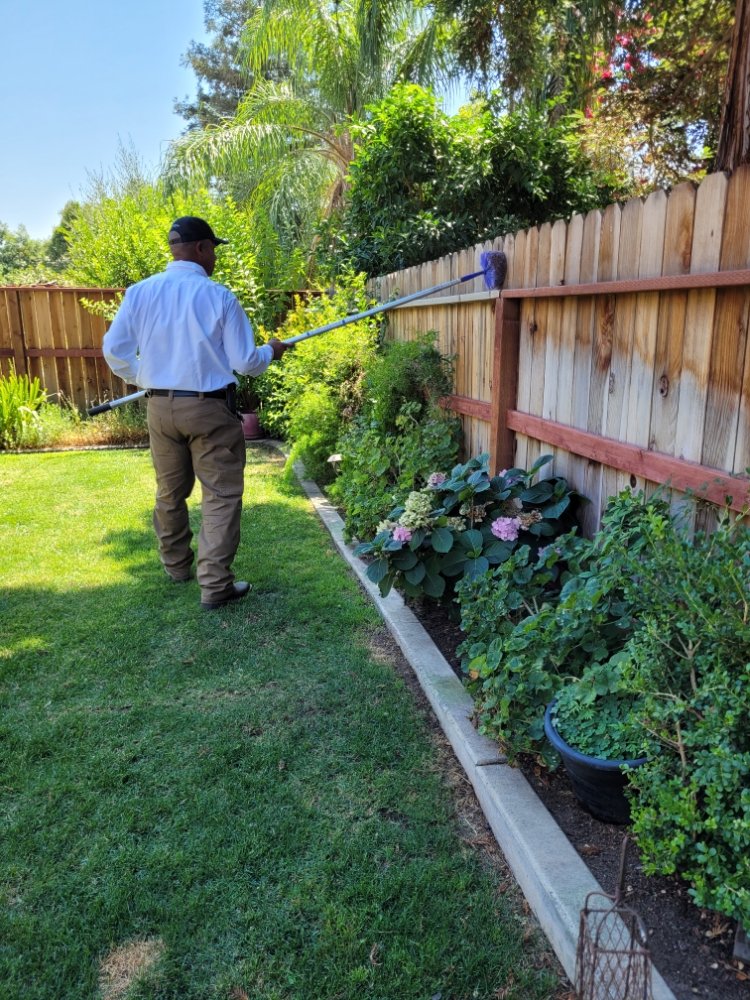
Look for a technician who starts with questions. Where do you see pests, how often, at what time of day. Do you have pets, infants, or sensitive plants. Then comes a walk of the exterior, flip the door thresholds, kneel to check weep holes, peer under eaves and around irrigation control boxes. Inside, the tech should aim a flashlight at plumbing penetrations under sinks, behind the fridge, next to the dishwasher, and along baseboards in rooms where you have seen activity.
Treatment should be targeted. Granular baits in rock beds for ants where water lines keep soil damp. Non‑repellent perimeter applications that let ants carry material back to the colony rather than scatter. Glue boards in discreet spots to monitor roach movement. A minimal interior spray is appropriate in some cases, but in many Fresno homes, the smartest approach is exterior‑heavy with interior baits and dusts where pests enter. Drift control matters here, since summer afternoons can be breezy. Application in the morning often performs better.
Documentation ties it together. You should receive notes of what was found, the products used, and recommendations you can act on. Replace torn door sweeps, raise mulch away from stucco, adjust irrigation so it runs early morning rather than at 8 pm when earwigs wander.
How property type changes the plan
Single‑family homes. Most homeowners are well served by bi‑monthly service from March through October, with a pause or quarterly cadence in the cool months. Landscaped beds that touch stucco walls and overwatered lawns are constant ant factories. Ask your pest control service to set a perimeter band that accounts for splashback and to bait where irrigation meets foundation.
Apartments and condos. Shared walls make roach and rodent migration a community problem. Good management companies in Fresno schedule building‑wide services and require prep for units identified with German roach activity. Expect a lower per‑unit price when the pest control company treats multiple units in a stack, balanced by stricter treatment protocols so products are applied consistently.
Commercial spaces. Restaurants need monthly or semi‑monthly plans with tight sanitation checks and logbooks. Office parks often get quarterly exterior service, with interior work as needed. Warehouses near agricultural zones may add rodent bait stations on a mapped plan and service them monthly in harvest season.
Farm‑adjacent properties. If your back fence meets an orchard or vineyard, anticipate heavier seasonal rodent pressure. Exclusion at ground level is worth the up‑front cost. For insects, request granules along fence lines and attention to irrigation valve boxes, which act like micro‑habitats for ants and earwigs.
Seasonal rhythm in the Central Valley
You can time your plan to Fresno’s seasons. Winter is quieter but not dead. Roof rats look for warm attics in December and January, and American roaches find sewer warmth that leads to bathroom sightings. Spring flips the switch on Argentine ants. Once you see foragers, you are already behind the reproductive curve. Summer expands the battleground: heat drives pests to moisture, and any overwatered area becomes a magnet. Fall brings spiders fattening up and a last push of crickets and earwigs before cool nights settle.
A practical cadence uses a heavier hand from March through October, with lighter touch services in winter focused on inspection and sealing. If budget is tight, you can drop to quarterly in winter without losing control, then increase frequency as temperatures rise.
Add‑ons and what they cost
Many pest control companies offer optional treatments that make sense in Fresno’s climate. Yard granulation during peak ant months runs 25 to 60 dollars extra per visit depending on size. Garage and attic dusting with desiccant dusts may add 30 to 75 dollars. Mosquito reduction programs, when offered, typically charge 60 to 95 dollars per monthly visit during the season, with larvicide treatments in standing water and misting of dense vegetation. For rodent control, tamper‑resistant bait stations cost 25 to 45 dollars per station plus service fees, useful in commercial or perimeter settings.
Ask about bundle discounts. A pest control company Fresno homeowners use for general service will often reduce termite plan renewals or give a break on a rodent program when you are already on a maintenance route. These are not always advertised, but they are common.
How to compare providers without getting lost in jargon
Quotes are only helpful if you know what sits underneath them. When you are choosing an exterminator Fresno CA has plenty of options, and the lowest bid is not necessarily the best value. I have seen cheap first‑visit specials lead to a string of paid call‑backs and frustration.
Here is a short decision framework that keeps the process grounded.
- Ask which pests are included by default and which are excluded or surcharged. General pests rarely cover German roaches, bed bugs, or significant rodent work. Clarify visit frequency, the guarantee window, and whether re‑services are free. A 60‑day guarantee after each service is common in bi‑monthly plans. Request the specific materials used for your target pest and why. Non‑repellent ant products cost more but solve colonies instead of scattering them. Verify licensing and insurance. California requires a structural pest control license, and a reputable pest control company furnishes their number without fuss. Get a sense of technician continuity. The same tech learning your property over time is worth more than a rotating cast.
If two quotes are close, lean toward the company that asked better questions and documented a clearer plan. If one quote is much lower, ask what corners are being cut: time on site, product quality, or follow‑up policy.
Where DIY makes sense and where it does not
There is no shame in starting with DIY for light ant or spider activity. Bait stations and perimeter sprays from a home store can bridge a gap before a professional visit. In Fresno, I have seen homeowners succeed with a simple three‑step routine in spring: seal a few obvious gaps, reduce watering frequency, and apply a non‑repellent bait around problem areas. They save a few hundred dollars a year that way.
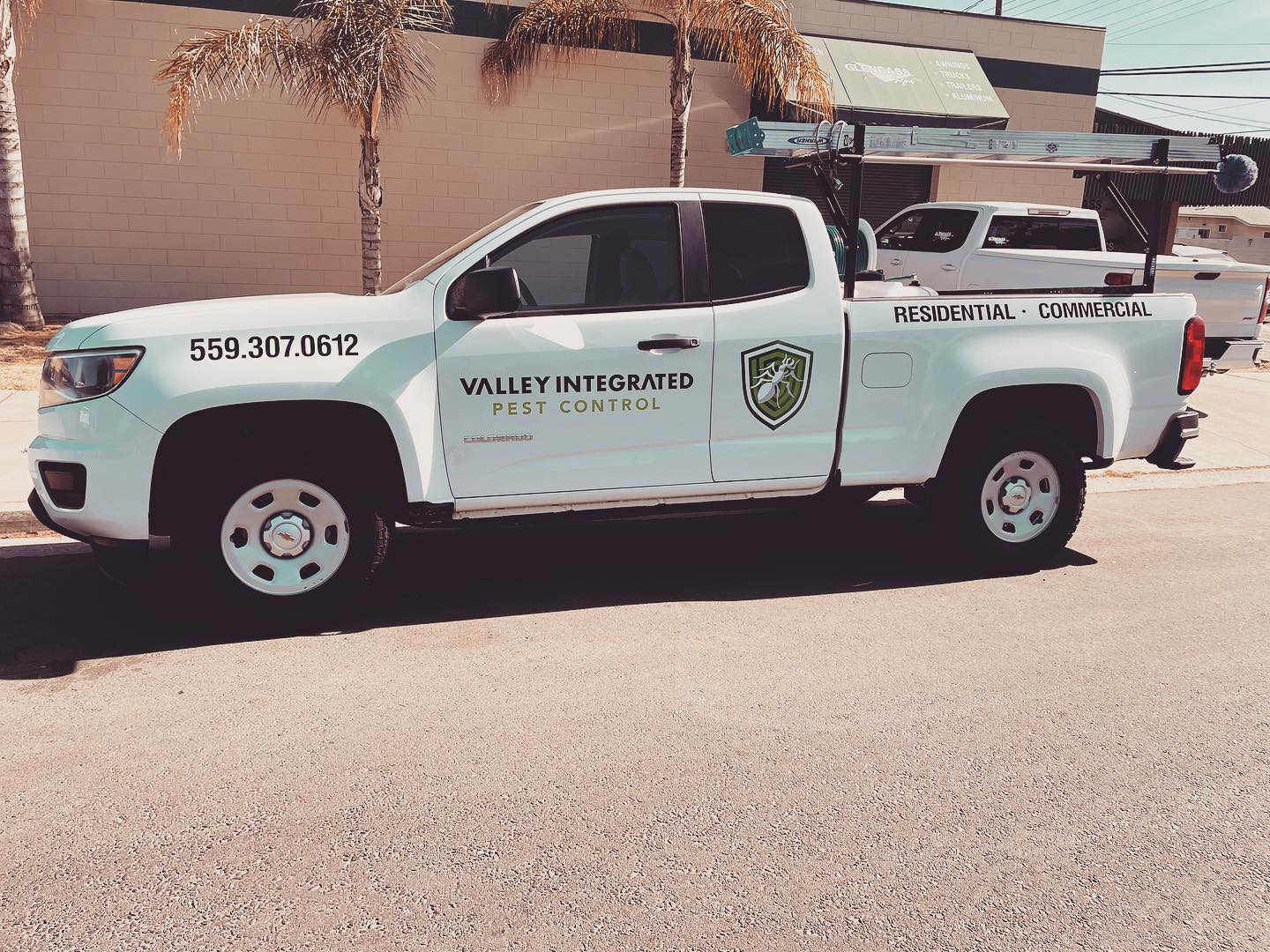
The line gets drawn at German cockroaches, bed bugs, and rodents. Over‑the‑counter roach bombs push roaches deeper into walls and spread them to adjacent rooms. Bed bug heat requires specialized equipment to reach lethal temperatures in cluttered areas without scorching. Rodent trapping looks easy until a rat dies in a wall void you could have sealed ahead of time. Paying for professional assessment early often exterminator Valley Integrated Pest Control reduces total spend.
A Fresno‑specific pricing example
A north Fresno homeowner calls in July with ants in the kitchen and spiders on the patio. The house is 2,100 square feet, two stories, with planters touching stucco on three sides and a small lawn. The customer prefers minimal interior spraying, has a dog, and waters every other day in the evening.
A reputable pest control service Fresno CA provider proposes a bi‑monthly plan at 99 dollars per visit. First visit lasts an hour, includes granular baits in the planters, a non‑repellent perimeter application, dust treatments in weep holes, and gel bait placement under the kitchen sink and next to the dishwasher. The tech recommends shifting irrigation to early morning to reduce evening pest activity and trimming shrubs away from the stucco. Re‑service is included if ant trails reappear in two weeks. Yard granulation add‑on in peak months adds 35 dollars per visit, which the homeowner accepts for July and August.

Total for the first year, including two yard granulations, comes to 692 dollars plus tax. The customer sees a few ants pop up in late August after a neighbor’s landscaping project, calls for a re‑service, and pays nothing extra. By October, spider webs on the patio drop to occasional and the winter visits focus on inspection.
Now change one variable. The same home calls in September for German roaches in the kitchen. The quote is 350 dollars for the first visit, 175 dollars for each of two follow‑ups, including gel baits, IGRs to disrupt lifecycle, and crack‑and‑crevice applications. With kitchen prep and cooperation, the issue clears in three visits. If the customer then joins a bi‑monthly plan, the company credits 100 dollars from the program toward the regular service. That credit is common in the local market.
Guarantees and fine print worth reading
Read guarantee windows. Some plans guarantee for 30 days, others 60. For pests like ants that can surge after irrigation or heat waves, a longer window protects you. Check cancellation terms. Monthly billing often allows cancellation any time with written notice, but some companies offer lower rates in exchange for a 12‑month agreement. There is nothing inherently wrong with contracts, but make sure the tradeoff benefits you.
Ask how the company handles new issues between visits. If you are on a general plan and a wasp nest appears, will the exterminator remove it at no charge. Many Fresno providers include minor wasp work within reason. If rodents appear mid‑plan, is inspection free. Policies vary.
Finally, verify how interior treatments are handled. Many modern programs default to exterior focus, entering the home only when needed. That can be good for safety, but it requires responsive re‑service if interior issues pop up. Make sure you can schedule an interior appointment without waiting weeks.
Safety, products, and what “eco‑friendly” actually means
You will see plenty of “green” labels and low‑impact promises. In practice, the safest approach in Fresno combines reduced‑risk materials with smart placement and lower volumes. Non‑repellent chemistries for ants and roaches work at microgram doses where pests live. Desiccant dusts like silica are inert to mammals and brutal to insects. Physical exclusion remains the most eco‑friendly rodent strategy, with minimal or no bait.
Ask for product names and labels. Good companies are happy to share. They should also discuss re‑entry times, pet management during service, and plant sensitivity. Bougainvillea and certain herbs can be touchy with drift or sprays. A thoughtful technician shields them and avoids windy applications. If you keep bees or backyard chickens, mention it. That changes material choices around flowering plants and coop perimeters.
When a higher price is worth it
I have seen homeowners bounce between low‑cost providers for years, spending less per visit but more overall. Paying a bit more changes outcomes in three ways: better diagnosis at the start, fewer total visits due to materials that address colonies rather than foragers, and stronger follow‑through with re‑services. In the stubborn German roach jobs, the difference between a 250 dollar all‑in miracle promise and a 600 to 800 dollar honest plan is night and day. The cheaper option often drags on with callbacks and never really clears the population.
The same logic applies to rodents. A 99 dollar trap‑and‑check special repeats forever if gaps remain open. Spend 600 to 1,200 dollars once on proper sealing, then monitor quarterly, and your long‑term costs drop.
A short homeowner checklist before you call
- Note where and when you see pests, including time of day and room names. Measure or estimate your home’s square footage and mention any crawlspace or attic access. Check irrigation schedules and adjust to morning runs to help the process. Move debris away from walls, and trim vegetation that touches stucco or roof edges. Decide whether you prefer exterior‑only by default and how quickly you need interior re‑service if needed.
These small steps speed up the estimate and often shave money off the first visit because the technician can get right to work.
The bottom line on Fresno pricing
For general pests, budget around 300 dollars for a one‑time visit or 500 to 800 dollars per year for a maintenance plan that actually keeps bugs out across the Valley’s hot months. Expect to spend more when a specific problem appears: 250 to 450 dollars for German roaches, 200 to 400 dollars to start a trapping program for rodents plus exclusion, and 900 to 3,200 dollars for significant termite or bed bug work, depending on method.
Choose a pest control company that knows Fresno’s seasonal swings and explains not just what they apply, but why and where. If a provider listens, sets expectations, and stands behind a reasonable guarantee, you will spend less time calling and more time enjoying your home, even when the orchards wake up and the ant trails start marching.
Valley Integrated Pest Control
3116 N Carriage Ave, Fresno, CA 93727
(559) 307-0612
Valley Integrated Pest Control is a pest control service
Valley Integrated Pest Control is located in Fresno California
Valley Integrated Pest Control is based in United States
Valley Integrated Pest Control provides pest control solutions
Valley Integrated Pest Control offers exterminator services
Valley Integrated Pest Control specializes in cockroach control
Valley Integrated Pest Control provides integrated pest management
Valley Integrated Pest Control has an address at 3116 N Carriage Ave, Fresno, CA 93727
Valley Integrated Pest Control has phone number (559) 307-0612
Valley Integrated Pest Control has website https://vippestcontrolfresno.com/
Valley Integrated Pest Control serves Fresno California
Valley Integrated Pest Control serves the Fresno metropolitan area
Valley Integrated Pest Control serves zip code 93727
Valley Integrated Pest Control is a licensed service provider
Valley Integrated Pest Control is an insured service provider
Valley Integrated Pest Control is a Nextdoor Neighborhood Fave winner 2025
Valley Integrated Pest Control operates in Fresno County
Valley Integrated Pest Control focuses on effective pest removal
Valley Integrated Pest Control offers local pest control
Valley Integrated Pest Control has Google Maps listing https://www.google.com/maps/place/Valley+Integrated+Pest+Control/@36.7813049,-119.669671,17z/data=!3m1!4b1!4m6!3m5!1s0x80945be2604b9b73:0x8f94f8df3b1005d0!8m2!3d36.7813049!4d-119.669671!16s%2Fg%2F11gj732nmd?entry=ttu&g_ep=EgoyMDI1MTIwNy4wIKXMDSoASAFQAw%3D%3D
At Valley Integrated Pest Control we provide quality exterminator solutions just a short trip from Woodward Park, making us an accessible option for individuals across the Fresno area.